
Support neurodiversity, empower every mind.
Inclusivity benefits everyone. By supporting neurodiversity, you can create spaces where every mind can flourish, bringing out the best in individuals and communities alike.
Neurodiversity training helps you understand and embrace different ways of thinking, unlocking strengths and improving communication to create a more inclusive and productive environment.
Work with their brain, not against it.

Types of Training

Online Webinar
Overview of neurodiversity, recognising signs of missed autism/ADHD diagnosis, support strategies, and next steps.
-
Duration: 1-2 hours.
Pricing: £200 per hour.
-
Book a 1-2 hour webinar on neurodiversity to explore the intersection of autism and ADHD (AuDHD). This session will help attendees recognise lesser-known traits, uncover the challenges of masking, and understand the risks associated with undiagnosed AuDHD. Participants will also gain practical strategies for offering effective support and learn actionable next steps to create more inclusive, supportive environments for neurodivergent individuals.
Half-Day Workshop
Detailed session on late diagnosis, practical support strategies, group discussions or scenario-based activities.
-
Duration: 3 hours.
Pricing:
- Online: £500
- In-Person: Please contact training@audhduk.org for a quote. -
Our 3-hour neurodiversity training workshop offers an in-depth understanding of AuDHD, focusing on the impact of late diagnoses, masking, and the risks of missed diagnoses, including suicide. Participants will also learn practical strategies for supporting AuDHD individuals and how to implement effective accommodations in both workplace and educational settings.
Full-Day Training
Comprehensive, interactive session including signs, risks of missed diagnosis, support strategies, and breakout group work.
-
Duration: 6 hours with breaks.
Pricing: Please contact training@audhduk.org for a quote. -
Our full-day neurodiversity training session offers a comprehensive, interactive learning experience designed to deepen understanding of AuDHD and its impact. Attendees will explore AuDHD traits, masking, and the risks of missed diagnoses, gaining insight into how these experiences shape personal and professional lives. The session will also cover practical support strategies, providing tools to create more inclusive environments. By the end of the workshop, attendees will have a deeper understanding of AuDHD and feel equipped with the knowledge, skills, and confidence to better support neurodivergent individuals in a range of settings.
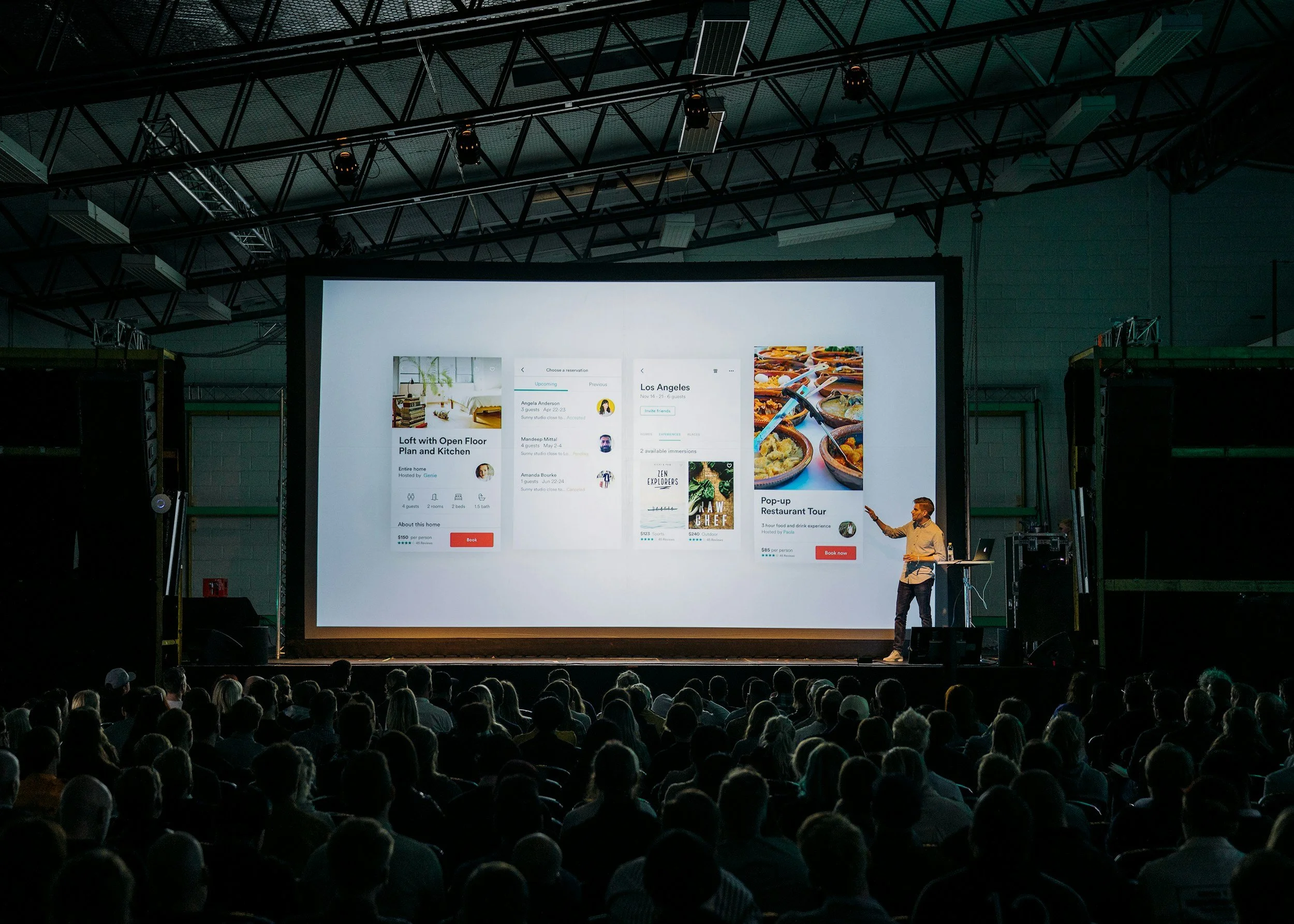
Keynote Speaker
Keynote speeches covering topics surrounding AuDHD, the impact of late and missed diagnosis, suicide, and empowering AuDHD individuals.
-
Duration: Up to 1 hour.
Pricing: Please contact training@audhduk.org for a quote. -
We have a number of keynote speakers available to present on late-diagnosed AuDHD, offering a unique perspective by drawing on their own experience. The speaker will cover the impact of late and missed diagnoses, the connection to suicide, and the importance of supporting AuDHD individuals in working with their brain, not against it. Tailored to the audience, the keynote will explore how late diagnoses shape personal and professional lives, highlighting the strengths and unique perspectives of those with AuDHD. This presentation will foster empathy, deepen understanding, and promote more inclusive support for neurodivergent individuals.
Contact us.
Ready to get started, or looking for more info? Please get in touch and we’ll be happy to discuss your organisation’s needs and answer any questions you may have.
hello@audhduk.org
+44 (0) 203 488 6182
As a small charity, our phones aren’t manned 24/7. Our business hours are typically 11am-5pm Mon-Fri, but if we can’t get to the phone, please leave a message and we’ll get back to you.